ALBEDO
Everything we can see in this world is made of light. Every colour is made of chemicals and crystals reflecting the illumination of the sun. All of life persists because of its awesome power; it allows everything beautiful in this world to be. For all of human existence, we have wished to capture the beauty of what we can see. To tell a story, to honour something, to share with others and future generations. Through this desire, humanity developed thousands of art forms, from painting, calligraphy, and sculpture to dance, music, and theatre. Thousands of years ago, ancient humans discovered that by using a pinhole, they were able to project an image from a certain area onto a given surface. This technology, known as the “camera obscura” was the precursor to the earliest known photo camera, and it would go through hundreds of years of refinement and technological discovery before creating the first known photograph in 1826.
The medium first started with Pewter plates, then silver-plated copper, then silver-coated paper that would eventually become our modern film.
CITRINITAS
May 2026, I was visited by an amazing German photographer by the name of Jan-Luca to work on a project. We had decided to create a special collection of film photos of me in nature. Spawning from my desire to own large vanity prints of myself and his desire to capture my essence and beauty in the most raw, physical medium possible. Prior to meeting me, Jan-Luca’s close friend had visited Brazil and met an artist who hand-makes custom photo film. He gifted Jan-Luca a bundle of X-ray films, cut from real hospital X-ray films to fit into a regular camera. Over the course of a weekend, we went back and forth, visiting our shooting location, shooting, troubleshooting, re-shooting, refuelling, and talking about our shared vision. The process of working with the thick handmade film was something neither of us had experienced before and put us through unique challenges while trying to shoot. One was that the holes of the film were not cut precisely enough to fit the camera, causing us to have to sit in the shade of the trees, pull the film out of its casing and ever so carefully trim the holes to the correct size. Every shot was a gamble on how or IF it would even turn out, but with every unknown, it just made us more excited to see exactly what the result would be.
RUBEDO
X-ray film cannot be handled and treated like normal photo film. The lights in a regular darkroom are still too harsh and risk exposing and ruining the films entirely. Because of that, they must be handled in perfect darkness. From the beginning of this project, we knew that just getting this film developed would be the hardest part. Not long after shooting, the film was shipped out to LA. The wait for them to arrive at the studio was nerve-wracking; we prayed it wouldn’t get damaged mailing it out. If the package was subject to a random scan at the border it would ruin the delicate film and all the work we had done. Thankfully, the films arrived safe and untouched and onto development they went- or so we thought. Several challenges had come up for developing in the LA darkroom, and there was great uncertainty about whether they would even be able to continue on with our project. After 2 months of work and troubleshooting, the darkroom was able to process our film, and another 2 months later we would finally have our finished scanned images. An entire summer’s worth of work, this project was a labour of love.
-
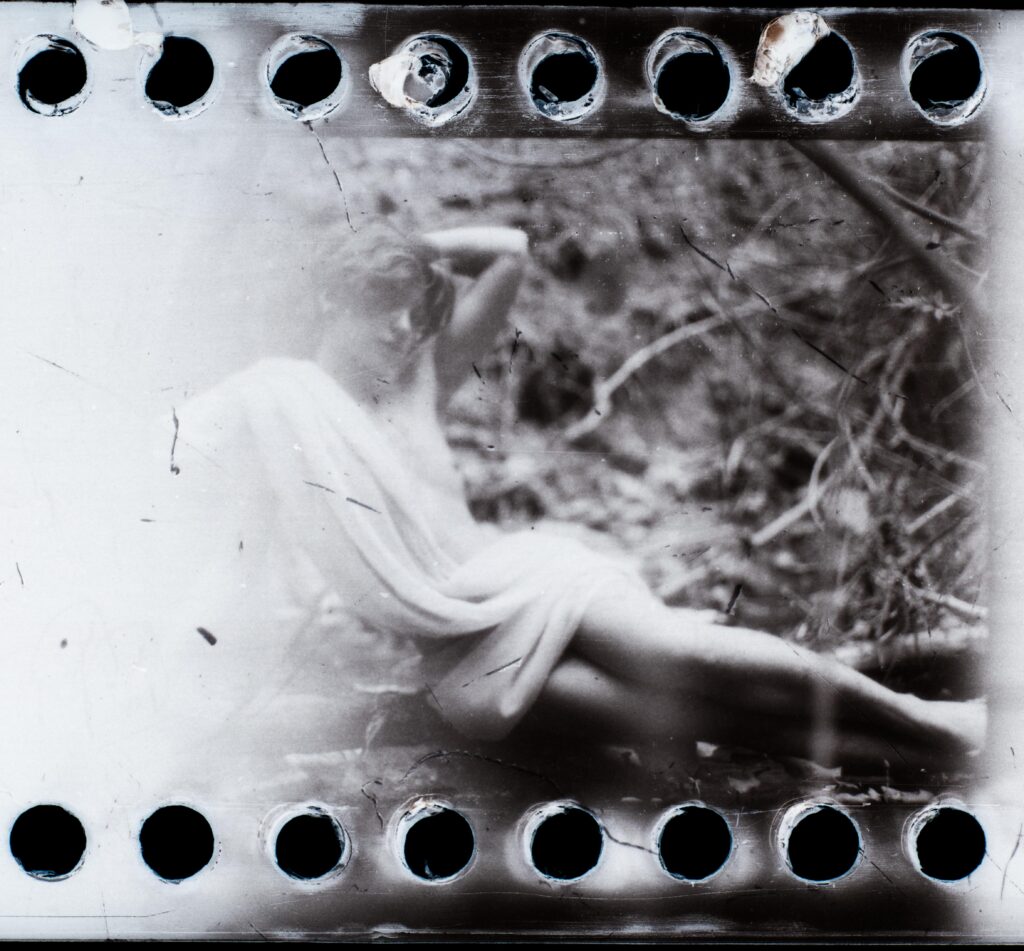
ANGEL IN THE CREEK
Price range: $50.00 through $400.00 -
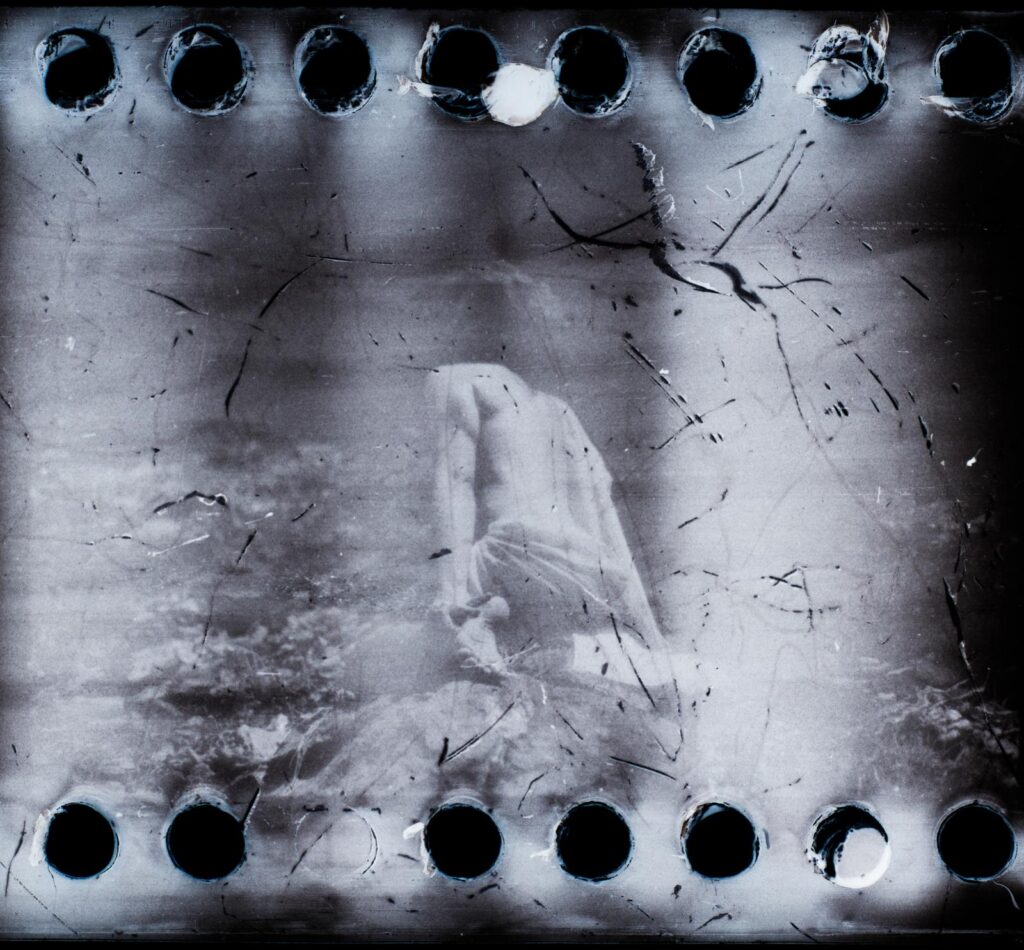
ROMAN STATUE
Price range: $50.00 through $400.00 -
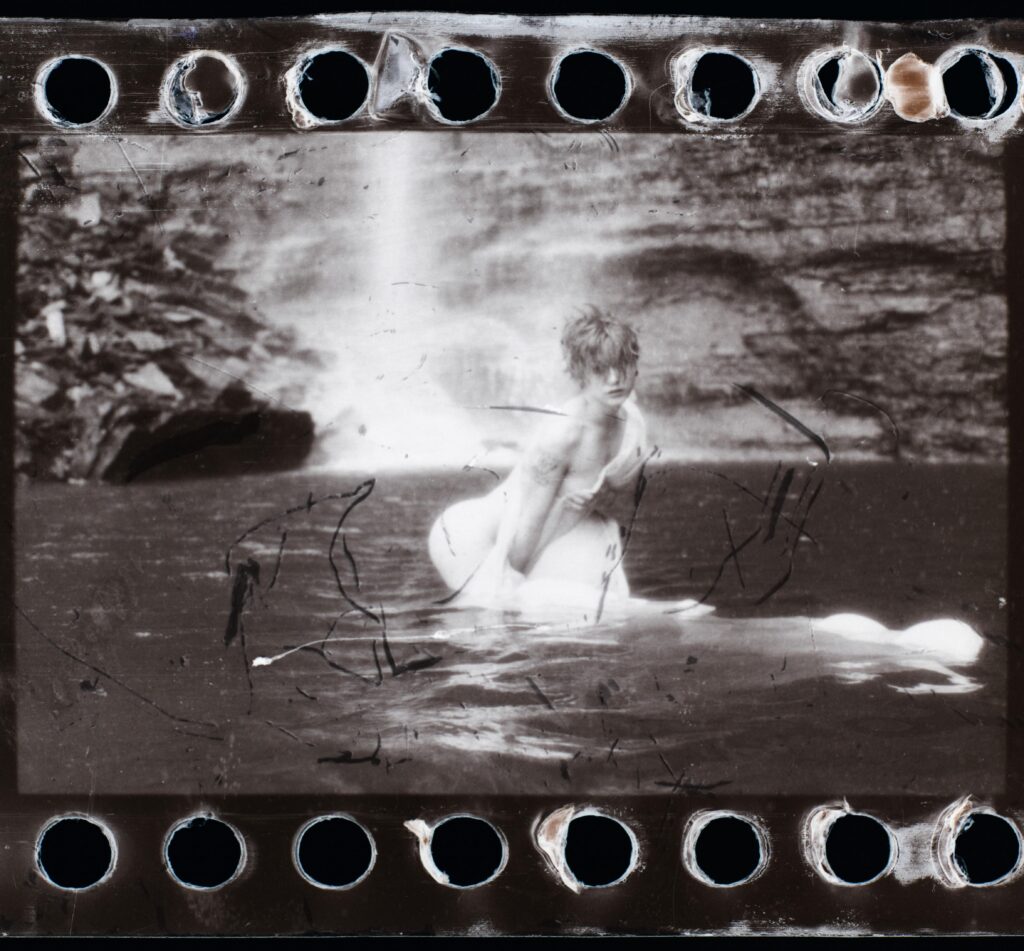
THE DEVILS PUNCHBOWL
Price range: $50.00 through $400.00
-
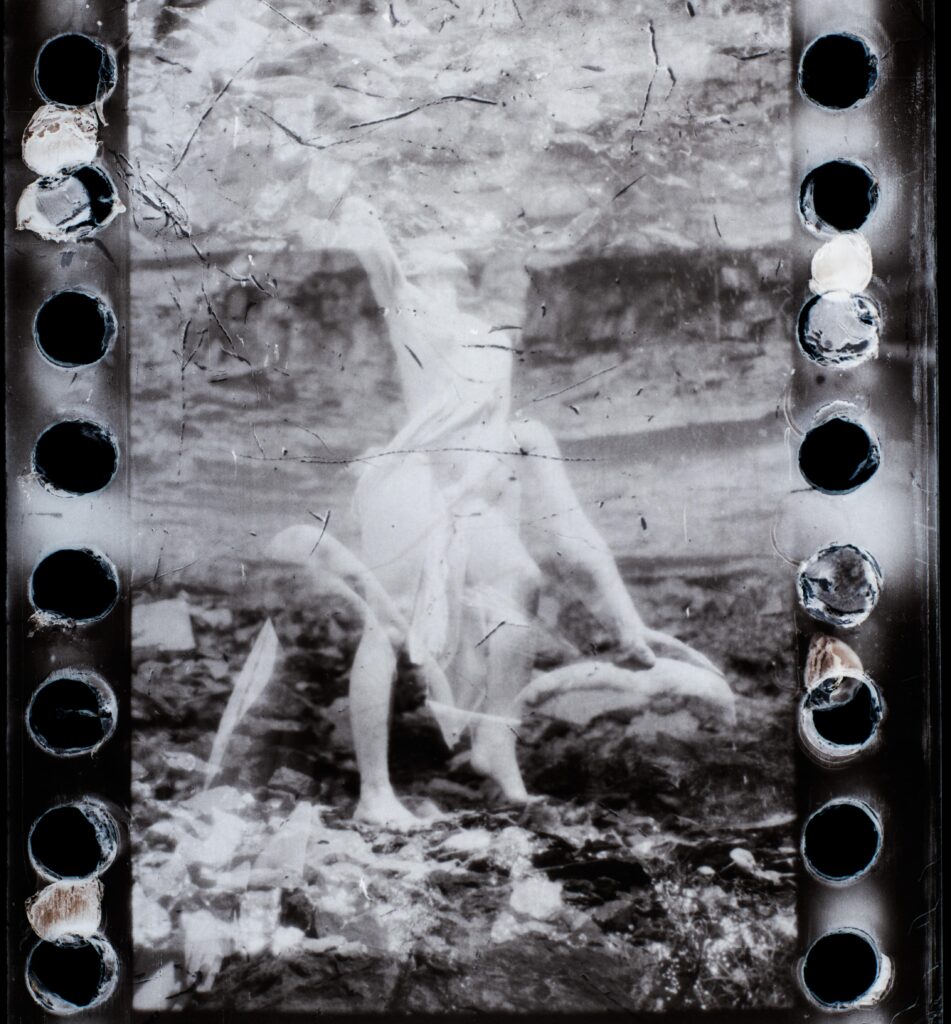
EXPOSED
Price range: $50.00 through $400.00 -
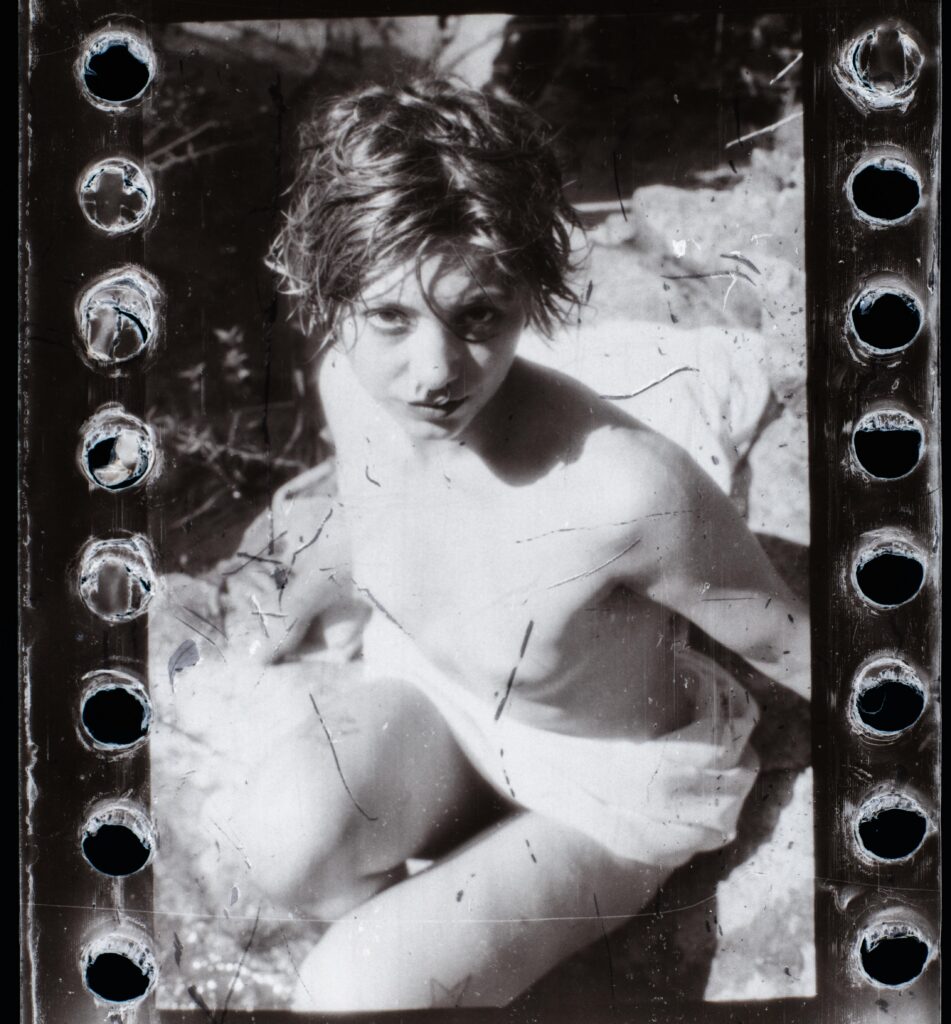
SUMMER ’26
Price range: $50.00 through $400.00 -
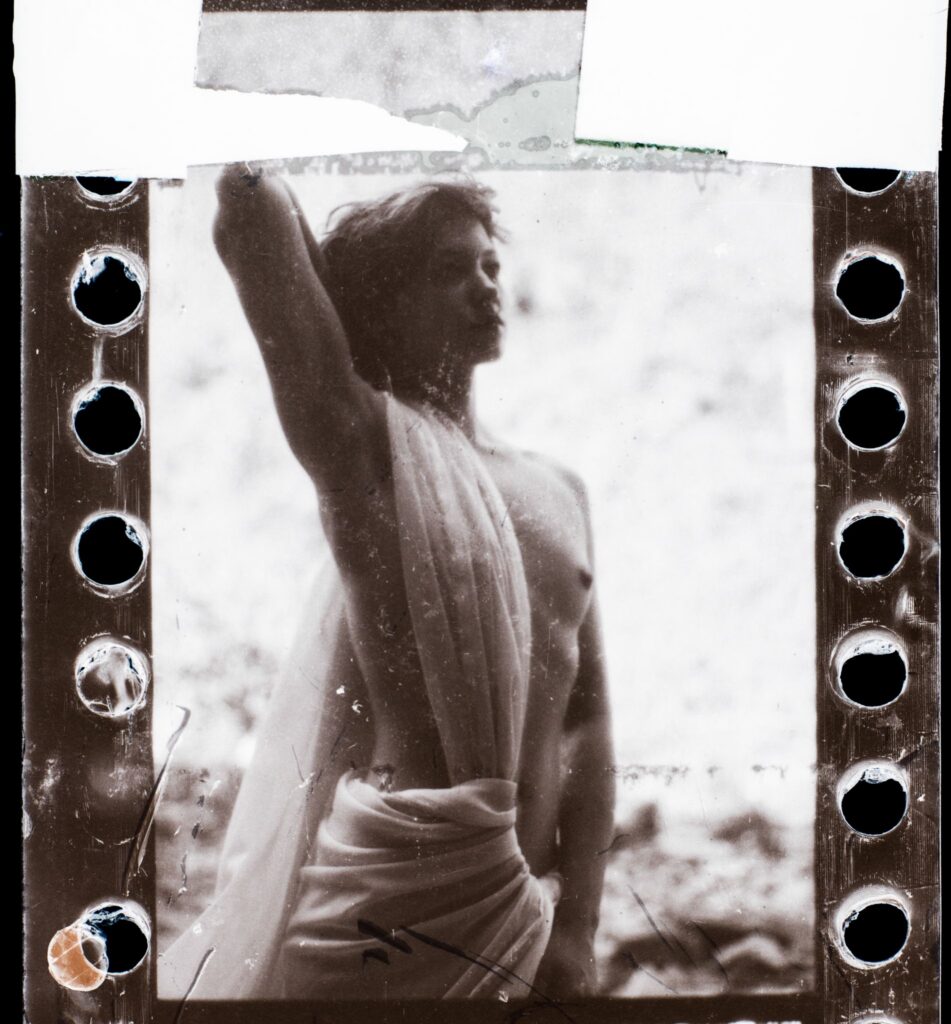
STAND TALL
Price range: $50.00 through $400.00